Place of Origin:
China
Brand Name:
Womala
Certification:
.
Model Number:
LR028136
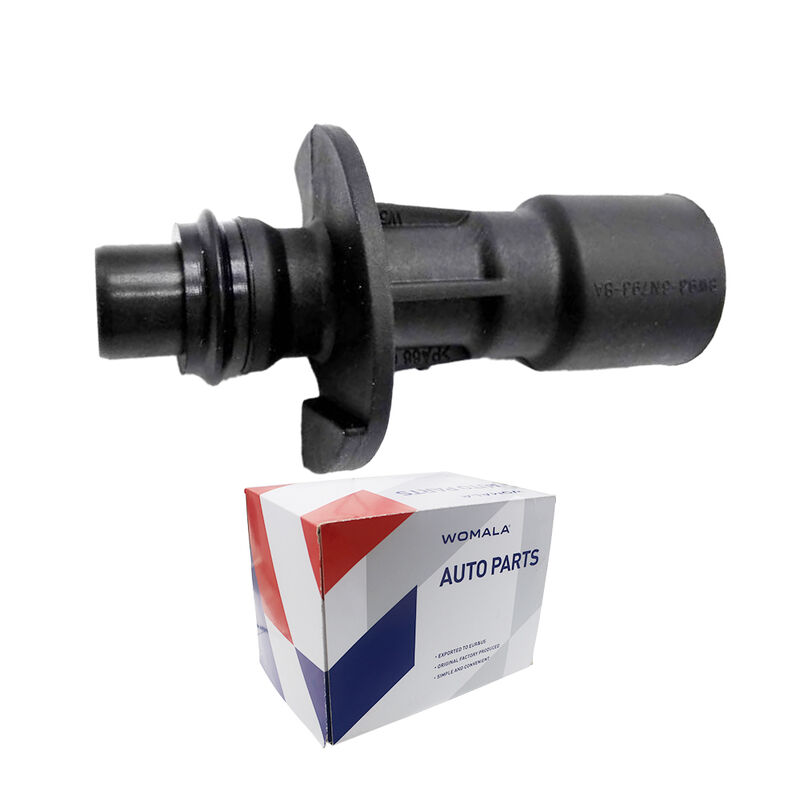
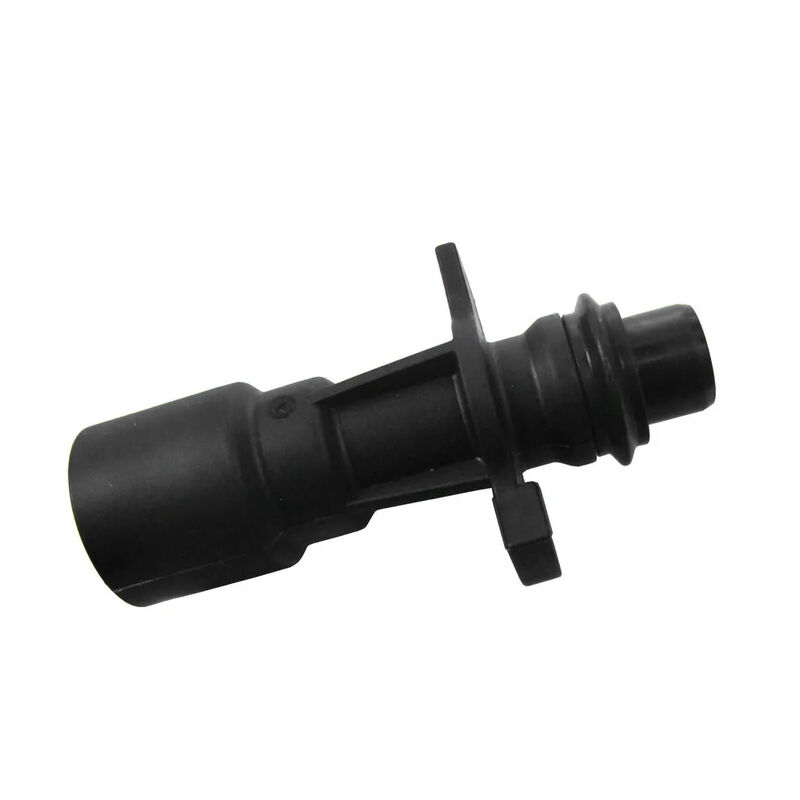
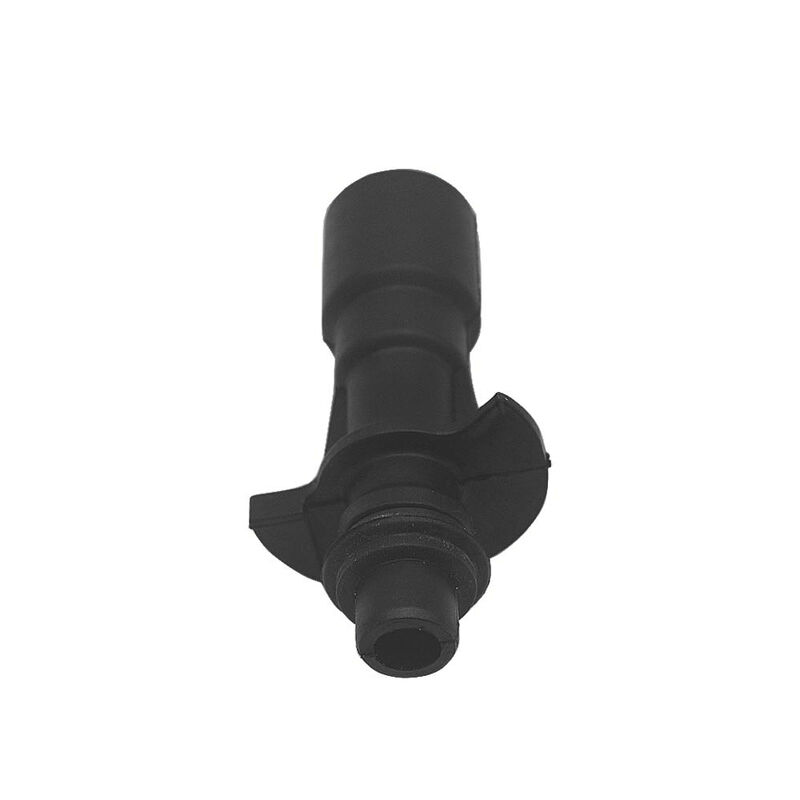
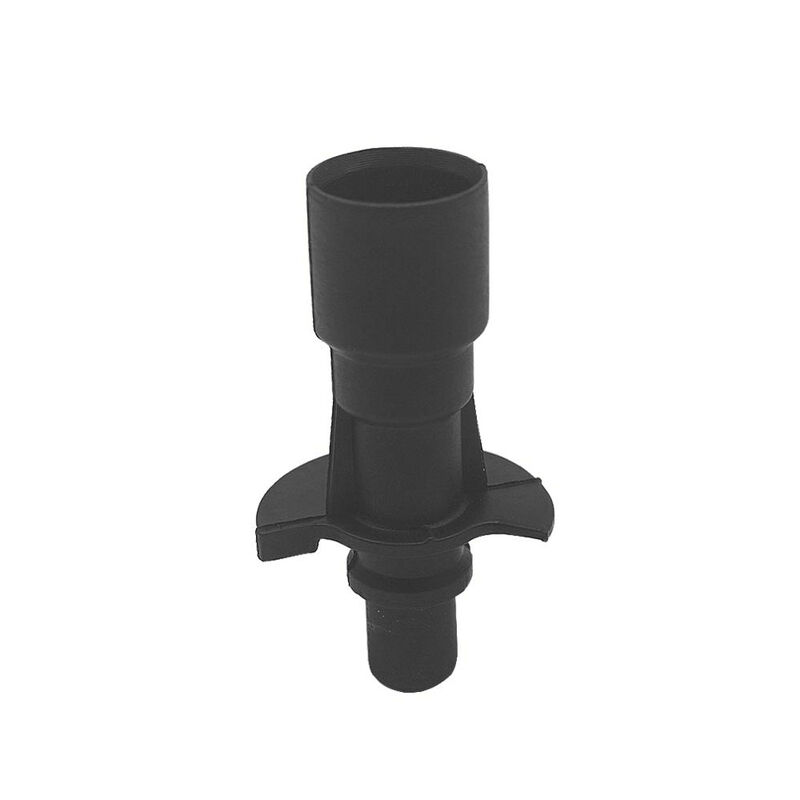
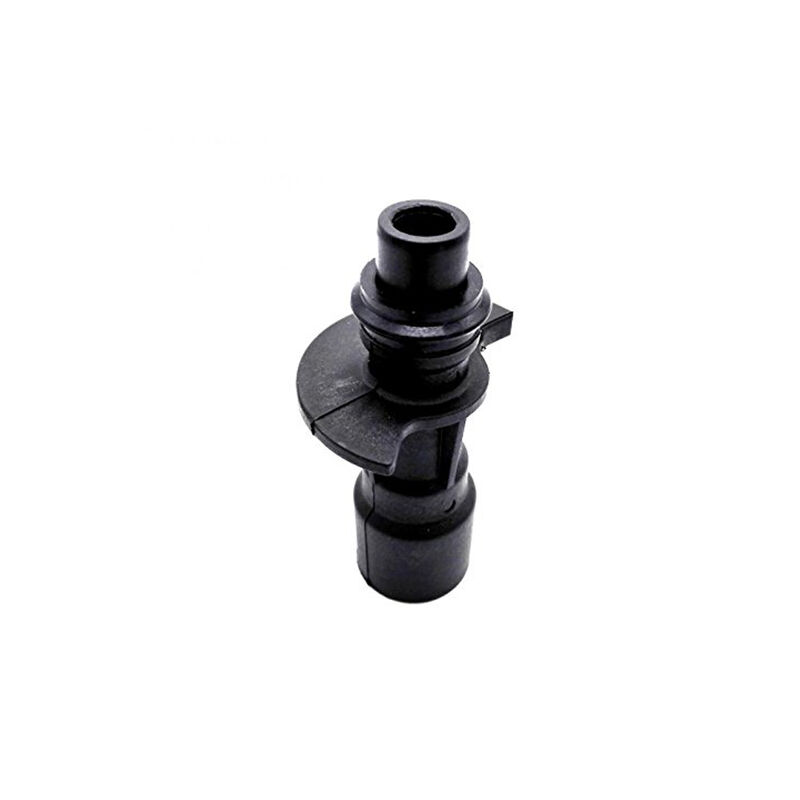
Product Details: Oil Cooler Pipe - LR028136
This oil cooler pipe is a precision-engineered fluid transfer component designed for the engine oil cooling system. It directs hot engine oil to the oil cooler for temperature regulation before returning it to the engine, ensuring optimal lubrication and preventing oil degradation under high-stress operating conditions.
Core Function: This pipe serves as a critical conduit within the engine’s thermal management system, allowing engine oil to circulate through the oil cooler where heat is dissipated. Maintaining proper oil temperature is essential for preserving oil viscosity, reducing engine wear, and ensuring consistent lubrication under all driving conditions.
Technical Specifications:
Part Number: LR028136
Part Name: Oil Cooler Pipe / Oil Cooler Line
Material: Reinforced rubber with metal end fittings
System: Engine Oil Cooling System
Compatible Vehicle Models
| for Model | Platform / Generation | Engine | Year Range |
|---|---|---|---|
| for Discovery 4 / LR4 | L319 | 3.0L TDV6 / SDV6 Diesel | 2010 - 2016 |
| for Range Rover | L322 | 3.6L TDV8 Diesel | 2006 - 2012 |
| for Range Rover Sport | L320 | 3.0L TDV6 / 3.6L TDV8 Diesel | 2005 - 2013 |
Replacement Part Numbers
| OEM Part Number | Cross Reference / Interchange |
|---|---|
| LR028136 | LR016970, LR033845, LR045548, LR055974 |
Failure Symptoms:
Visible oil leak near the front or side of the engine
Low oil pressure warning light
Burning oil smell from the engine bay
Oil spots on the ground after parking
Engine overheating due to oil cooling system failure
Note: This pipe is subject to heat cycles and can become brittle over time, leading to leaks. When replacing, it is recommended to inspect the oil cooler and associated seals for signs of wear or damage. To ensure correct fitment, verify compatibility using your vehicle’s VIN number and engine code before purchasing. Professional installation is recommended.
![]()
![]()
A: Signs of a failing bumper bracket include visible damage or deformation, misaligned bumper panels, unusual noises from the front end, or if the bumper appears loose or sagging on one side.
A: For optimal results, we recommend professional installation. Key considerations include ensuring proper alignment of all mounting points, checking for additional damaged components, and verifying all fasteners are properly torqued to specification.
![]()
![]()
Send your inquiry directly to us