Place of Origin:
China
Brand Name:
Womala
Certification:
.
Model Number:
LR051585
Product Introduction
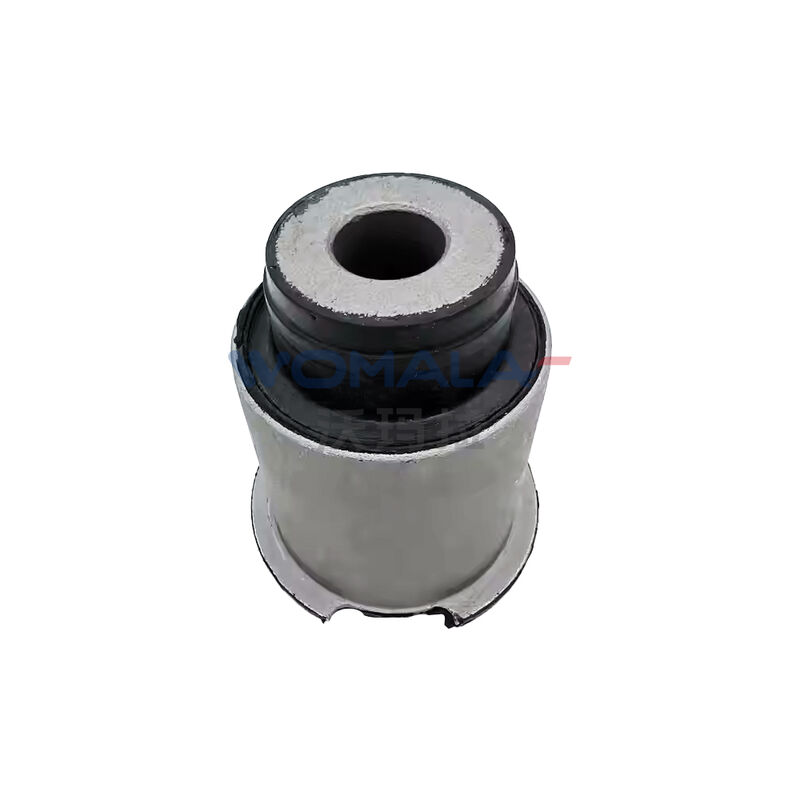
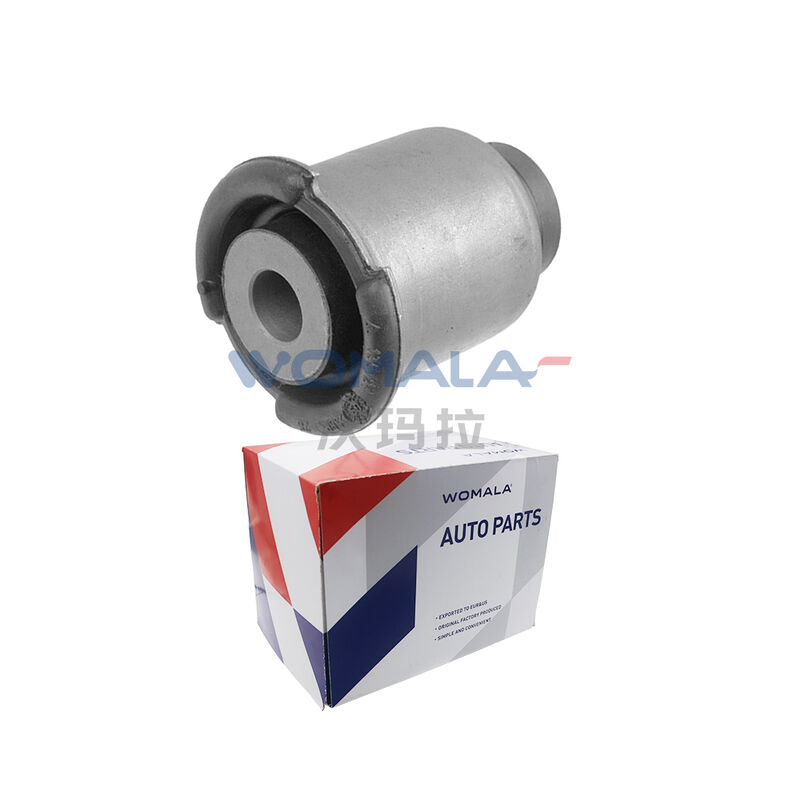
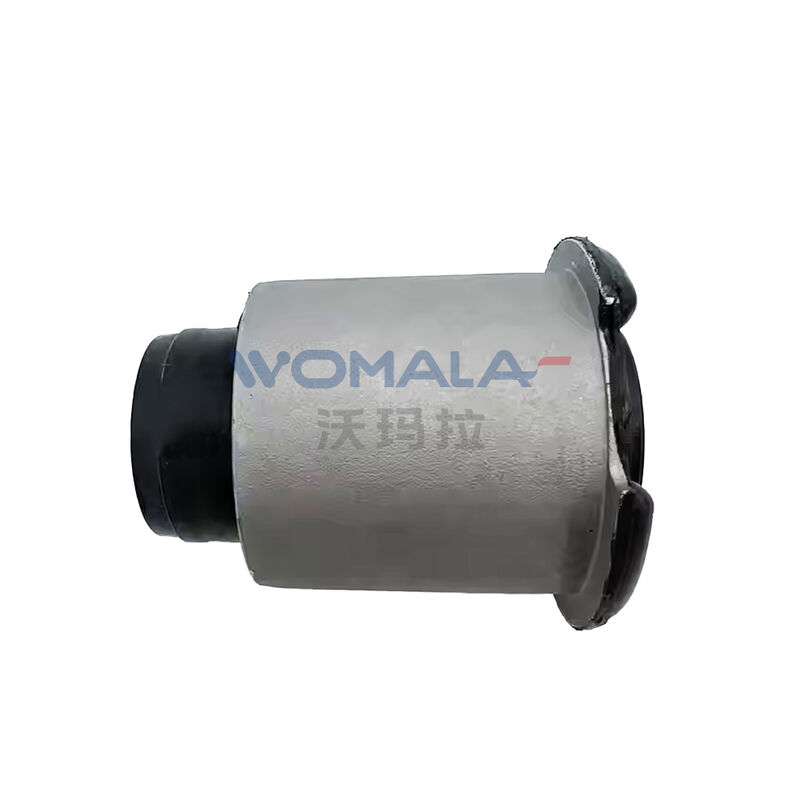
The LR051585 Front Suspension Arm Bushing is a rubber to metal mount designed for the front lower suspension arm on for Land Rover Discovery 3, Discovery 4, and for Land Rover Range Rover Sport L320 models. This bushing fits between the front lower control arm and the chassis subframe, acting as a flexible cushion that absorbs road impact and vibration while allowing controlled suspension movement. Positioned as the front mounting bush on the lower wishbone the small curved arm bushing is a critical component that degrades over time due to heat moisture and mechanical stress. Direct replacement for the original factory bushing restores proper suspension alignment steering precision and ride comfort. This bushing is interchangeable with the factory specified part.
Core Features
| Feature | Benefit |
|---|---|
| Vibration and Shock Absorption | Rubber metal mount dampens road impact and noise transmission before reaching the cabin |
| Controlled Suspension Movement | Allows limited flex for lower control arm while maintaining structural integrity under cornering and braking loads |
| Metal to Rubber Construction | Heat resistant and oil resistant design prevents premature cracking and deformation |
| Prevents Metal to Metal Contact | Eliminates clunking knocking noises and wear damage from control arm contacting chassis |
| Restores Steering Precision | Worn bushing causes vague steering and instability replacing restores factory handling response |
OE Reference Information
| Part Number |
|---|
| LR051585 |
| RBX500311 |
OE numbers are for cross-reference identification only.
Vehicle Fitment
| For Make | Year |
|---|---|
| for Land Rover Discovery 4 | 2010 – |
![]()
![]()
![]()
A: Signs of a failing bumper bracket include visible damage or deformation, misaligned bumper panels, unusual noises from the front end, or if the bumper appears loose or sagging on one side.
A: For optimal results, we recommend professional installation. Key considerations include ensuring proper alignment of all mounting points, checking for additional damaged components, and verifying all fasteners are properly torqued to specification.
![]()
![]()
Send your inquiry directly to us