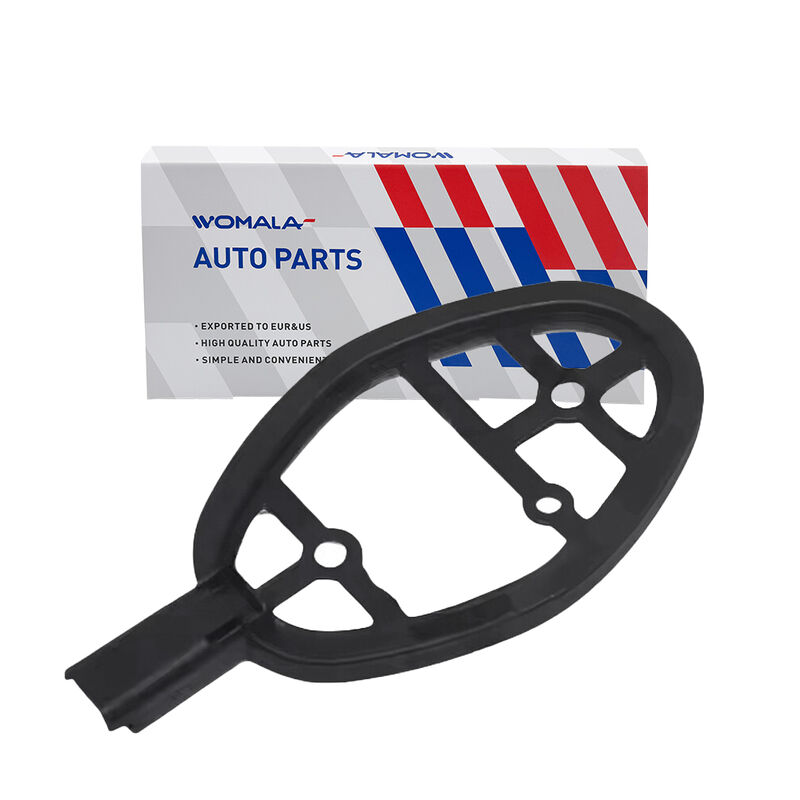
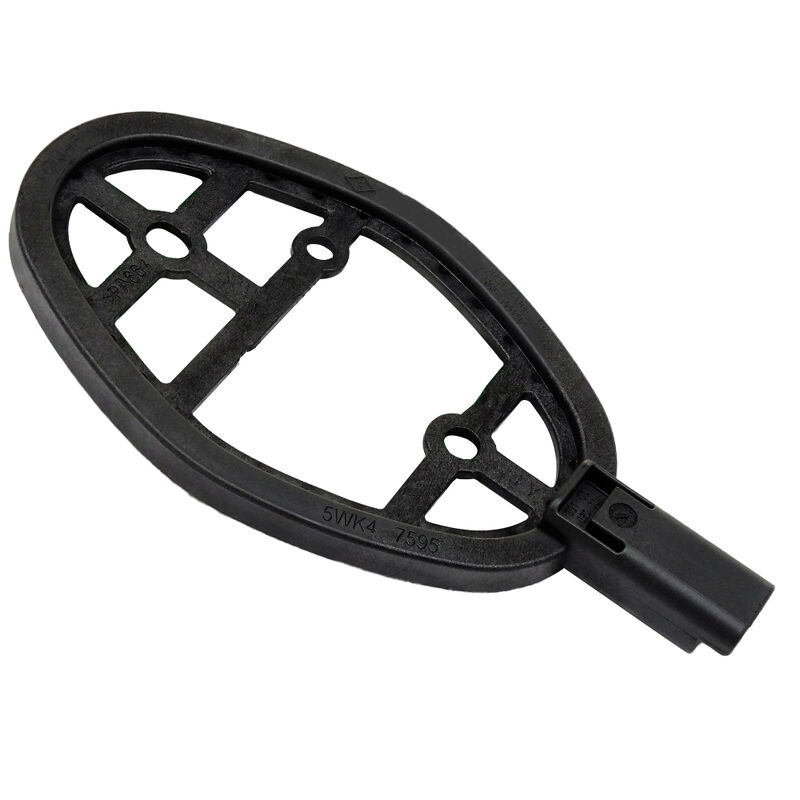
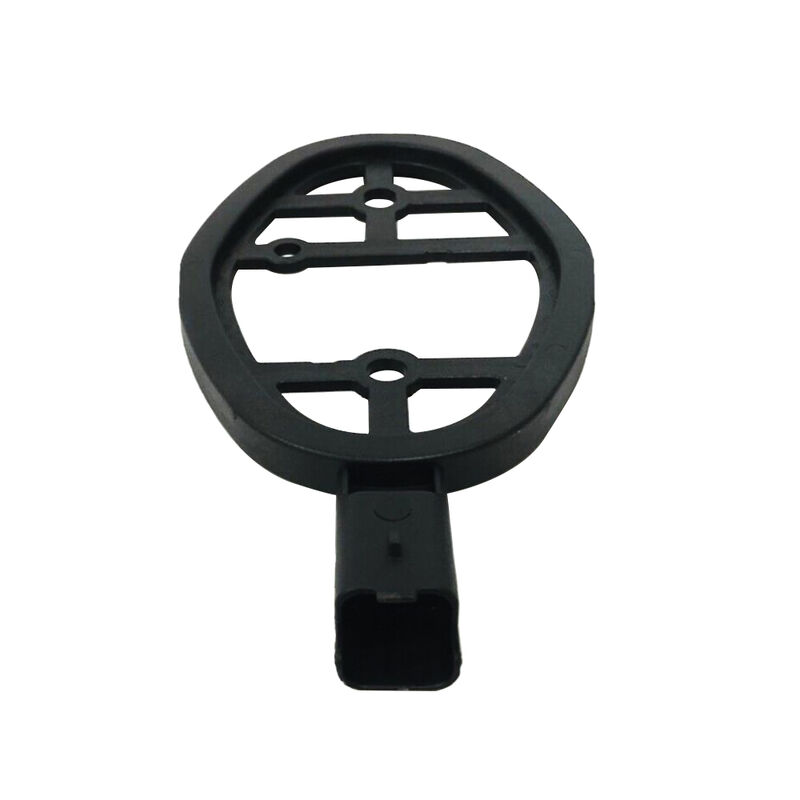
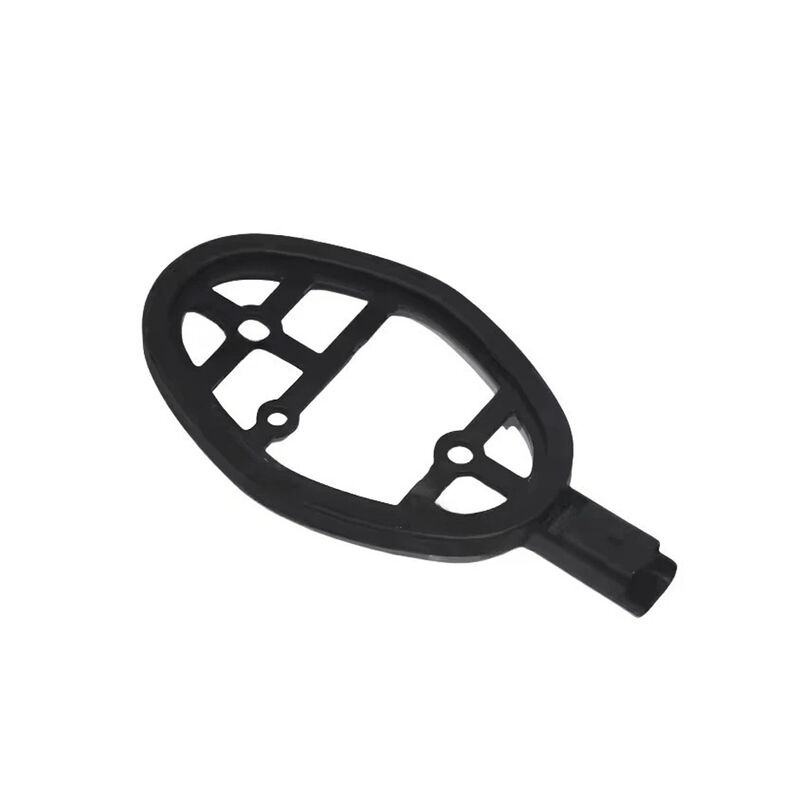
Product Overview
The Tyre Pressure Monitoring System (TPMS) Control Module RRE000010 is a Genuine OE-grade electronic unit for a wide range of for Land Rover and for Jaguar vehicles. Also known as the TPMS receiver or tyre pressure ECU, this module receives radio signals from the wheel-mounted tyre pressure sensors and processes them to display pressure readings and warnings on the instrument panel. RRE000010 is cross-referenced with C2C24208, which is the Jaguar equivalent part number for the same module.
Key Features
-
TPMS control unit – receives and processes tyre pressure sensor signals
-
OE-grade quality – genuine Land Rover / Jaguar specification
-
Direct-fit replacement – matches factory mounting points and electrical connections
-
Plug-and-play installation – direct replacement for the original module
-
Wide vehicle compatibility – fits multiple Land Rover and Jaguar models
OE Cross-Reference
| Land Rover OE |
Jaguar OE |
| RRE000010 |
C2C24208 |
Vehicle Fitment
| Make |
Model |
Chassis / Series |
Years |
VIN Notes |
| for Land Rover |
Discovery 3 / LR3 |
L319 |
2005 – 2009 |
— |
| for Land Rover |
Discovery 4 / LR4 |
L319 |
2010 – 2016 |
— |
| for Land Rover |
Freelander 2 / LR2 |
L359 |
2006 – 2014 |
— |
| for Land Rover |
Range Rover |
L322 |
2002 – 2012 |
— |
| for Land Rover |
Range Rover |
L405 |
2013 – 2022 |
— |
| for Land Rover |
Range Rover Sport |
L320 |
2005 – 2013 |
— |
| for Land Rover |
Range Rover Sport |
L494 |
2014 – 2022 |
— |
| for Land Rover |
Range Rover Evoque |
L538 |
2012 – 2018 |
— |
| for Jaguar |
Various models |
— |
— |
Verify with VIN |
Engine compatibility (verify with VIN):
⚠️ Important: RRE000010 / C2C24208 is the TPMS receiver/control unit, not the wheel sensor. This module is typically located under the vehicle, often near the rear body panel. Fitment varies by model year, production date, and VIN range – verify before ordering.
Signs of Failure
-
TPMS warning light – flashing or constantly illuminated
-
No pressure readings – all wheels show "--" or no data
-
Intermittent sensor detection – system fails to detect one or more wheel sensors
-
Tyre pressure display error – pressure values incorrect or missing
-
Communication fault – diagnostic tools unable to communicate with the module
💡 A failed TPMS module is a common cause of persistent TPMS warning lights after wheel sensor replacement. Before replacing the module, confirm that all wheel sensors are functioning and correctly programmed.
Critical – Verify Your VIN Before Ordering
TPMS control modules are VIN‑ and model‑year‑specific. Variations in chassis type, production date, and regional TPMS frequency requirements affect fitment. Provide your VIN – our team confirms exact compatibility before dispatch. We cannot accept returns for misordered parts without VIN verification.
💡 Installation Tip: Professional installation recommended. After replacement, the TPMS system may require programming or sensor relearn using diagnostic equipment. If the vehicle is fitted with the wrong TPMS ECU, you may need a specialist to disable the original VIN lock.
Technical Specifications
| Parameter |
Detail |
| Part Type |
TPMS Control Module / Receiver Unit |
| Other Names |
TPMS ECU, Tyre Pressure Receiver |
| Position |
Under vehicle / rear body area |
| Condition |
Brand New, OE-Grade |
| Interchange |
C2C24208 |
Why Choose Us
| Advantage |
Detail |
| Inventory |
10,000+ SKU in stock |
| Quality |
OE-grade, fully tested |
| Warranty |
18-month against manufacturing defects |
| Shipping |
Global via DHL / UPS / FedEx |
| Flexibility |
Sample orders welcome, low MOQ |
Contact us for bulk orders or VIN‑checked quotes.
Specifications subject to change; images for reference only.Aftermarket replacement – not affiliated with Jaguar Land Rover.

Frequently Asked Questions
Q: How to determine if the bumper bracket needs replacement?
A: Signs of a failing bumper bracket include visible damage or deformation, misaligned bumper panels, unusual noises from the front end, or if the bumper appears loose or sagging on one side.
Q: What should be paid attention to when replacing the bumper bracket?
A: For optimal results, we recommend professional installation. Key considerations include ensuring proper alignment of all mounting points, checking for additional damaged components, and verifying all fasteners are properly torqued to specification.
Why Choose Our Products
- Extensive Industry Experience: 13 years specializing in Auto Parts auto parts with precise product matching and technical solutions.
- Quality Assurance: 10-stage quality inspection process including durability testing, surface roughness analysis, and dimensional verification.
- Manufacturing Excellence: 15,000㎡ production base with 10,000+ SKUs in inventory for fast order fulfillment.
- Strategic Partnerships: Collaborations with 50+ factories including suppliers to international brands like Womala and Hella.


 Your message must be between 20-3,000 characters!
 english
 français
 Deutsch
 Italiano
 Русский
 Español
 português
 Nederlandse
 ελληνικά
 日本語
日本語
 한국
한국
 العربية
 हिन्दी
 Türkçe
 indonesia
 tiếng Việt
 ไทย
ไทย
 বাংলা
বাংলা
 فارسی
فارسی
 polski