Product Overview
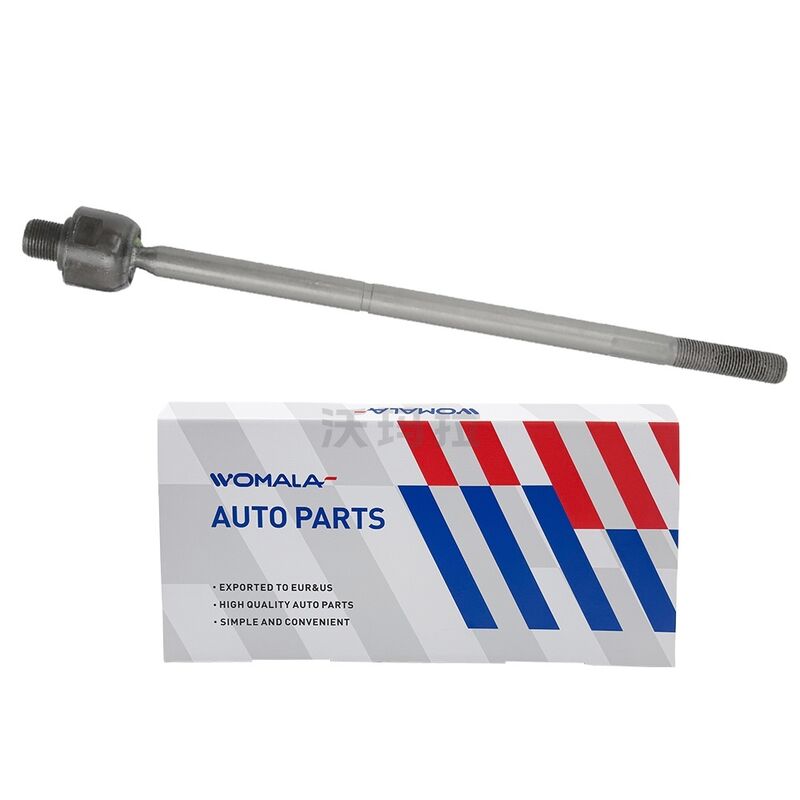
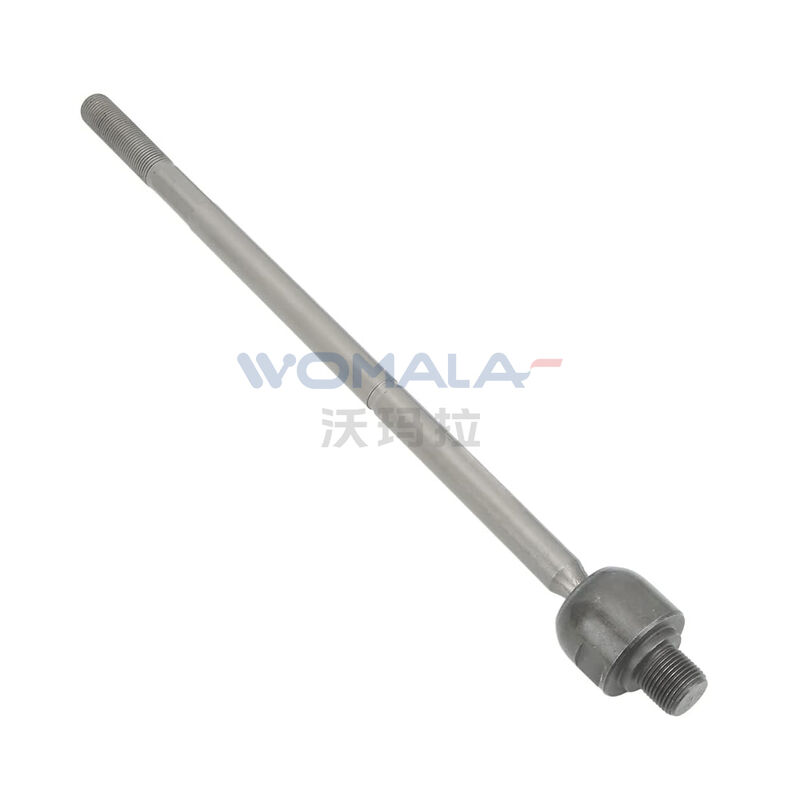
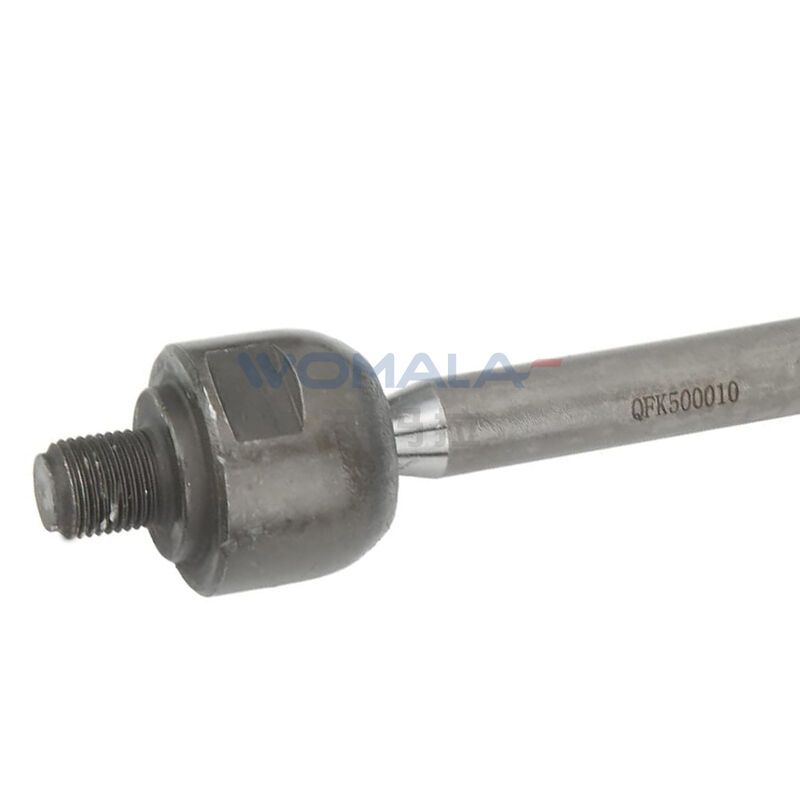
The Inner Tie Rod End QFK500010 is an OE-grade steering component engineered for the for Land Rover Discovery 3 / LR3 (L319) from 2005 to 2009 and Discovery 4 / LR4 (L319) from 2010 to 2016. Also known as an axial joint or rack end, this component threads into the end of the steering rack and connects to the outer track rod end, transmitting steering rack travel to the wheel hub while allowing articulation as the suspension moves .M16 thread variant — this inner tie rod fits the M16 steering rack. The M20 inner rod used on other racks is not interchangeable .
⚠️ Important: This inner tie rod fits both RHD and LHD steering gear. For Discovery 3, it applies up to VIN 9A999999; for Discovery 4, from VIN AA000001 .
Key Features
M16 thread – identifies the rack variant it belongs to; check your rack before ordering
Direct-fit replacement – threads into the steering rack end, connecting to the outer track rod end
OE-grade quality – available as Genuine Land Rover and quality aftermarket alternatives ( TA2657, SKF VKDY 327501, NK 5034021)
Fits both left and right sides – one part number covers both front sides
OE Cross-Reference
| Primary OE | Aftermarket Equivalents |
|---|
| QFK500010 | TA2657 · SKF VKDY 327501 · NK 5034021 · RTS 92-01630-1 · Dorman 580-346 |
💡 Note: QFK500010 is the Land Rover part number for the M16 inner tie rod. TA2657, SKF VKDY 327501, and NK 5034021 are quality aftermarket equivalents with OE-matching fitment .
Technical Specifications
| Parameter | Detail |
|---|
| Part Type | Inner Tie Rod End / Axial Joint / Rack End |
| Position | Front Axle – Left & Right |
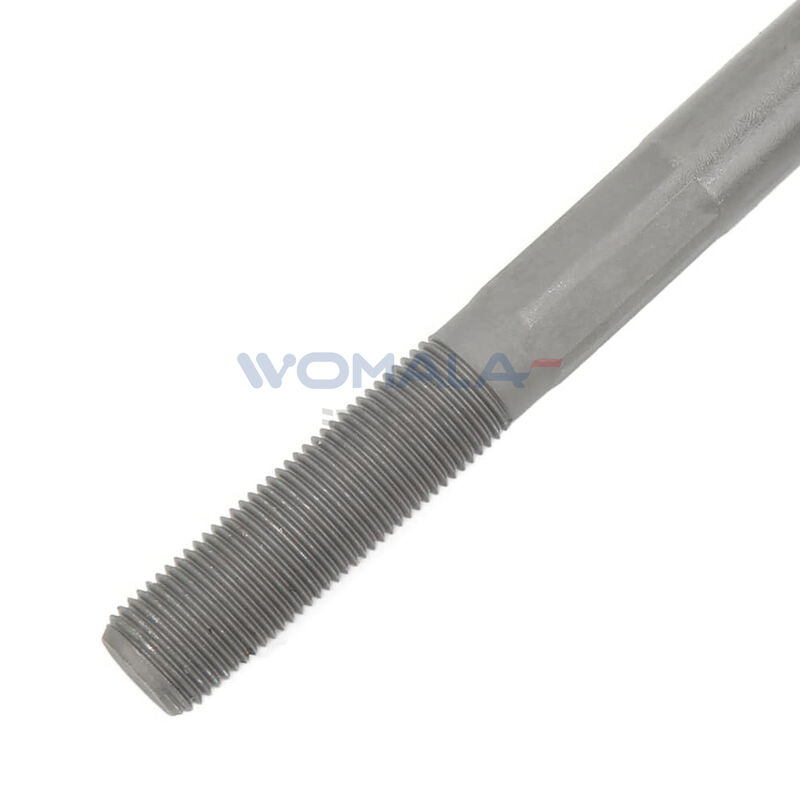
| Thread Size | M16 x 1.5 |
| Length | Approx. 369 – 391 mm (varies by brand) |
| Diameter | 16 mm |
| Weight | Approx. 0.82 kg (NK) |
| Condition | Brand New, OE-Grade |
Vehicle Fitment
| Make | Model | Chassis | Position | Years | VIN Notes |
|---|
| for Land Rover | Discovery 3 / LR3 | L319 | Front – L&R | 2005 – 2009 | Up to VIN 9A999999 |
| for Land Rover | Discovery 4 / LR4 | L319 | Front – L&R | 2010 – 2016 | From VIN AA000001 |
Engine compatibility (verify with VIN):
2.7L TDV6 Diesel
4.0L V6 Petrol
4.4L V8 Petrol
⚠️ Important: This is the M16 thread inner tie rod. Some Discovery 3 racks use an M20 variant (QFK500020) — confirm your rack thread before ordering .
Signs of Failure
Play at the rack end – detectable movement where the inner tie rod meets the steering rack
Vague or wandering steering – reduced steering precision
Uneven front tyre wear – abnormal wear patterns across the front tyres
Clunking or knocking noise – from the front end over bumps
💡 Wear shows as play at the rack end, vague or wandering steering, and uneven wear across the front tyres. Front wheel alignment must be checked and reset after fitting .
Critical – Verify Your VIN Before Ordering
Inner tie rods are VIN- and rack-specific. VIN cut-off 9A999999 applies for Discovery 3; Discovery 4 applies from VIN AA000001. Confirm your rack is the M16 variant before ordering — the M20 inner rod is not interchangeable . Provide your VIN – our team confirms exact compatibility before dispatch.
💡 Installation Tip: Professional installation recommended. Count the turns when removing the outer track rod end to keep tracking close, but a full wheel alignment is required after fitting . The inner tie rod threads into the rack — use a suitable tool to unscrew it from the rack end .
Why Choose Us
Advantage | Detail |
|---|
Inventory | 10,000+ SKU in stock |
Quality | OE-grade, fully tested |
Warranty | 18-month against manufacturing defects |
Shipping | Global via DHL / UPS / FedEx |
Flexibility | Sample orders welcome, low MOQ |
Contact us for bulk orders or VIN‑checked quotes.
Specifications subject to change; images for reference only.Aftermarket replacement – not affiliated with Jaguar Land Rover.

Frequently Asked Questions
Q: How to determine if the bumper bracket needs replacement?
A: Signs of a failing bumper bracket include visible damage or deformation, misaligned bumper panels, unusual noises from the front end, or if the bumper appears loose or sagging on one side.
Q: What should be paid attention to when replacing the bumper bracket?
A: For optimal results, we recommend professional installation. Key considerations include ensuring proper alignment of all mounting points, checking for additional damaged components, and verifying all fasteners are properly torqued to specification.
Why Choose Our Products
- Extensive Industry Experience: 13 years specializing in Auto Parts auto parts with precise product matching and technical solutions.
- Quality Assurance: 10-stage quality inspection process including durability testing, surface roughness analysis, and dimensional verification.
- Manufacturing Excellence: 15,000㎡ production base with 10,000+ SKUs in inventory for fast order fulfillment.
- Strategic Partnerships: Collaborations with 50+ factories including suppliers to international brands like Womala and Hella.


 Your message must be between 20-3,000 characters!
 english
 français
 Deutsch
 Italiano
 Русский
 Español
 português
 Nederlandse
 ελληνικά
 日本語
日本語
 한국
한국
 العربية
 हिन्दी
 Türkçe
 indonesia
 tiếng Việt
 ไทย
ไทย
 বাংলা
বাংলা
 فارسی
فارسی
 polski